February 5, 2026
Choosing the right shower door is one of the most important decisions you can make when updating or renovating your bathroom. The style you select affects not only the overall look of the space but also how comfortable and functional it feels every day. Sliding and hinged shower doors are two of the most popular options, each offering its own advantages depending on your bathroom layout, available floor space, and personal design preferences. Because every home is different, determining which option fits your needs involves evaluating how you use the space, where your fixtures are located, and what type of movement feels most natural. When selecting custom shower doors, these considerations become even more valuable, allowing you to tailor the design to match both the aesthetics and flow of your bathroom. According to The Spruce, the minimum allowable shower door width is 22 inches, making proper planning essential to ensure your selected door fits safely and operates smoothly. Understanding the strengths and limitations of each style will help you make a confident, long-lasting decision.
Understanding the Basic Differences Between Sliding and Hinged Doors
Sliding shower doors, often called bypass doors, move along a track that allows one panel to glide behind the other. This design eliminates the need for outward clearance, making it a popular choice in smaller bathrooms or where fixtures like toilets and vanities sit near the shower entrance. Hinged doors, on the other hand, swing outward like a traditional door. They create a more open, luxurious look and allow a wider entryway, but they require adequate floor space for the door to move freely and safely.
The choice between sliding and hinged styles typically comes down to the configuration of your shower and how much usable space you have around it. Sliding doors maximize space efficiency, while hinged doors provide a clean, frameless appearance with fewer mechanical components. When designing custom shower doors, homeowners have the ability to blend functionality and style in ways that suit nearly any layout. The key is understanding how each type will impact your bathroom’s navigation, look, and long-term performance.
Evaluating Your Bathroom Layout and Available Space
Space is often the deciding factor when choosing between sliding and hinged doors. If your bathroom has limited clearance around the shower, a sliding door may be the most practical option. Because the panels remain within the shower’s footprint, they don’t interfere with nearby cabinets, walls, or fixtures. This makes them especially appealing in guest bathrooms, small primary suites, or layouts with compact floor plans.
Hinged doors work best in bathrooms that have the necessary swing radius available. If the door opens into an area that is frequently used—such as next to the toilet or vanity—you’ll need to make sure nothing obstructs the movement. Hinged doors also require careful evaluation of wall angles and the placement of shower fixtures. For example, if the door opens toward a curved wall or a tight corner, the swing may be restricted. Planning around these factors ensures that your custom shower doors function smoothly without compromising your bathroom’s usability.
Considering Aesthetic Preferences and Design Goals
Your shower door significantly influences your bathroom’s overall appearance, so style is an important part of the selection process. Sliding doors offer a contemporary, streamlined look that works well in modern or minimalist bathrooms. Because they often come with sleek metal tracks and clean lines, they create a subtle visual presence that complements a variety of design themes.
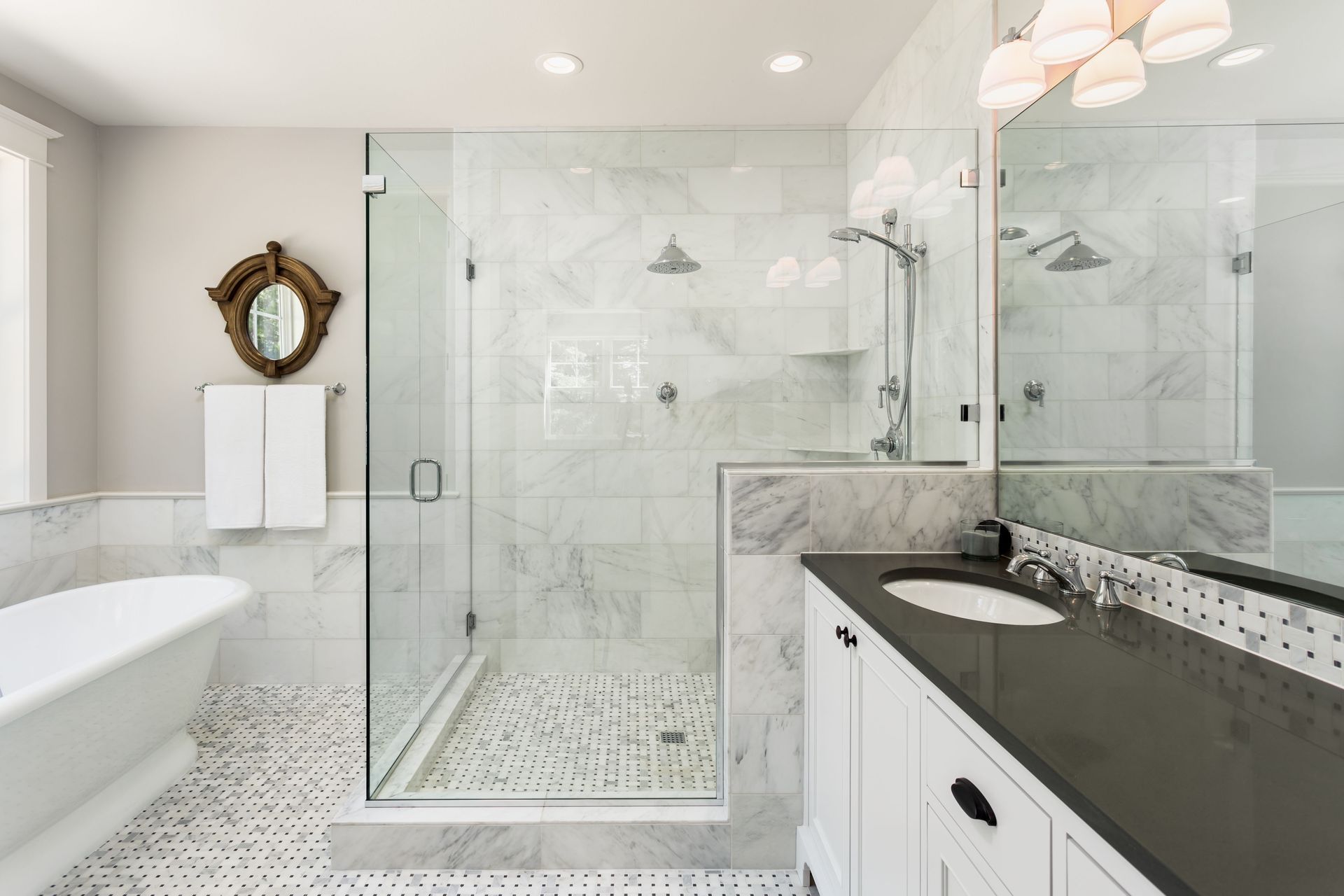
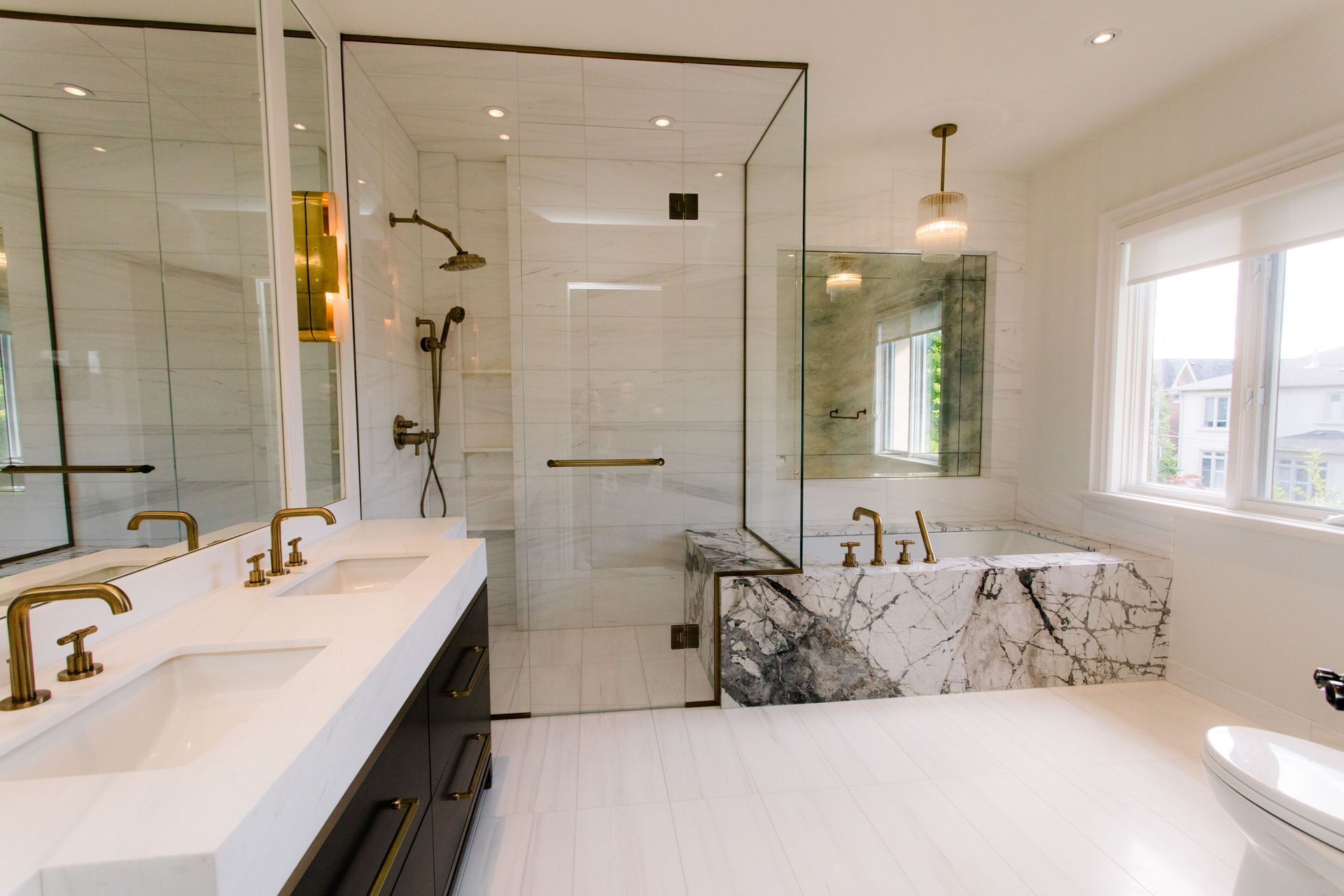
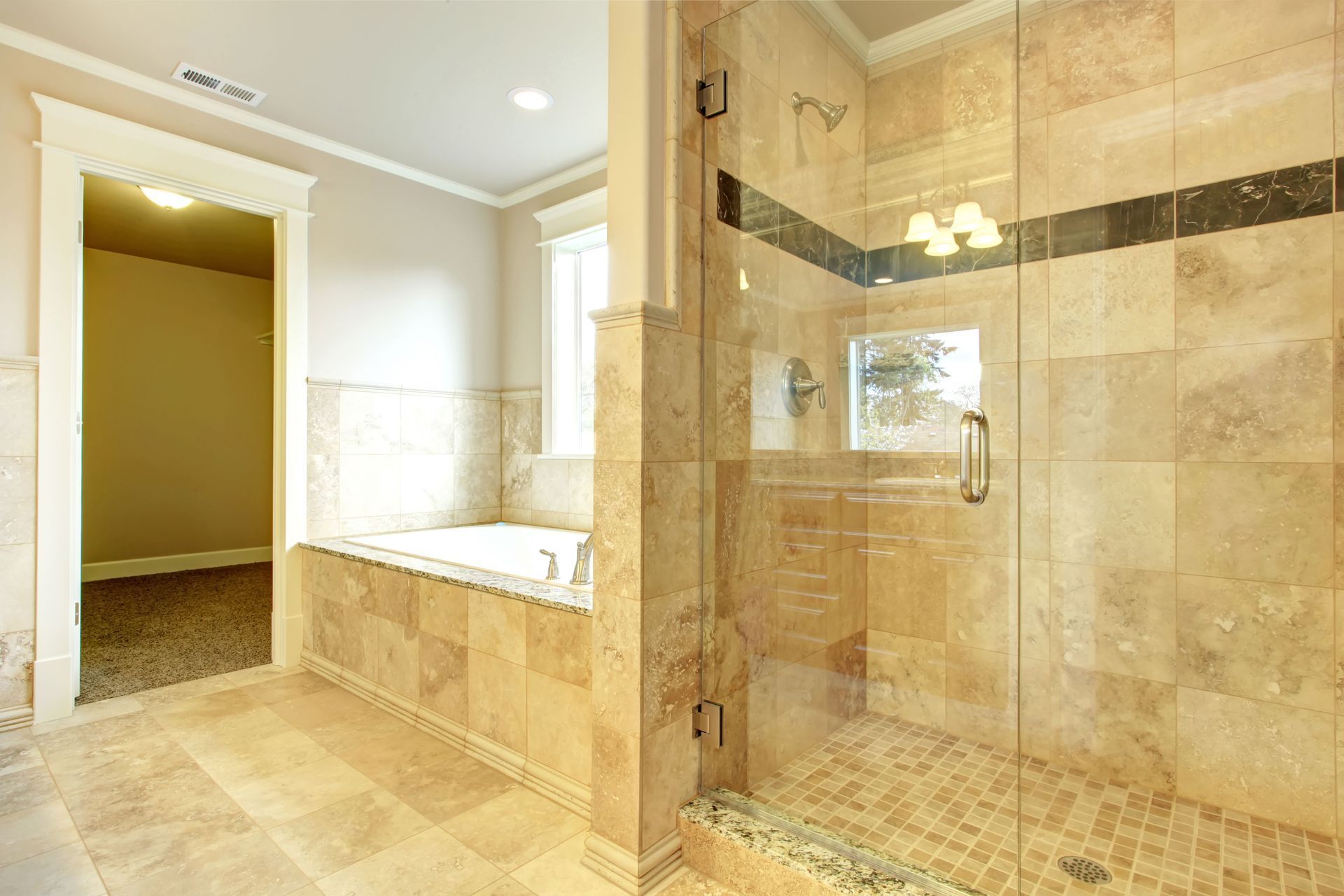
Hinged doors provide a more open, spa-like feel. Their frameless or semi-frameless construction can make the entire bathroom look larger and more luxurious. When the door swings outward, it creates a dramatic entrance into the shower, which many homeowners find appealing. If you are updating your bathroom with the goal of adding elegance or creating a more expansive atmosphere, hinged doors may better align with your design goals. Custom shower doors allow you to choose finishes, glass types, and hardware that match your aesthetic vision and bring the entire room together.
Prioritizing Safety and Accessibility
Safety is a major consideration when selecting a shower door, especially if accessibility is a priority for your household. Hinged doors usually offer a wider entry point, making them easier to navigate for individuals with mobility concerns. The ability to open the full width of the door can accommodate grab bars, shower seats, and other accessibility features. Additionally, the outward swing makes it easy to assist someone in or out of the shower if needed.
Sliding doors, while space-efficient, sometimes have narrower entry spaces depending on the design. Because one panel always remains fixed, the opening can feel somewhat restrictive in certain models. However, for small bathrooms, sliding doors may still be the safer option because they don’t require maneuvering around an outward-swinging door. Given that the minimum allowable shower door width is 22 inches, ensuring your chosen style meets safety standards is essential. Custom shower doors allow you to modify the design to maximize accessibility while still maintaining the look you want.
Factoring in Maintenance and Long-Term Durability
Maintenance is another important factor to weigh when comparing sliding and hinged shower doors. Sliding doors have tracks that require periodic cleaning to prevent soap buildup or debris from hindering movement. Over time, rollers may also need adjustment or replacement to maintain smooth operation. While modern sliding door systems are designed for durability, they do demand attentive care.
Hinged doors generally involve less maintenance because they rely on hinges rather than tracks. Without a bottom rail to catch water or residue, they remain easier to clean, and the glass tends to stay clearer longer. The main maintenance consideration with hinged doors is ensuring the hinges remain tight and properly aligned. Both options offer long-lasting performance, but your willingness to maintain the hardware should factor into your decision.
Comparing Installation Requirements
The installation process differs depending on which type of shower door you choose. Sliding doors typically take longer to install due to the track system, alignment requirements, and multiple moving components. This complexity is why professional installation is strongly recommended, especially for heavy glass or custom-made panels. Proper alignment ensures smooth operation and prevents future issues such as sticking or uneven movement.
Hinged doors, while generally simpler to install, still require precise measurements and secure anchoring. Because the door must support its full weight on the hinges, the surrounding structure must be sturdy enough to handle the load. This is especially true for frameless doors, which rely on high-quality hardware to ensure durability. When working with custom shower doors, installation is tailored specifically to your shower’s dimensions, ensuring a seamless fit that maximizes performance and longevity.
Matching the Door Style to Your Shower Configuration
Your shower’s shape and layout also influence which door style will work best. Sliding doors are ideal for tubs and wide shower openings because they allow two panels to move within the frame. They also work well in alcove showers where a swing door would hit a wall or fixture. Their ability to save floor space makes them highly adaptable.
Hinged doors are perfect for corner showers or smaller enclosed spaces where the door can swing freely into the room without obstruction. They provide a clean, open look that highlights tile work, lighting, and other design features.
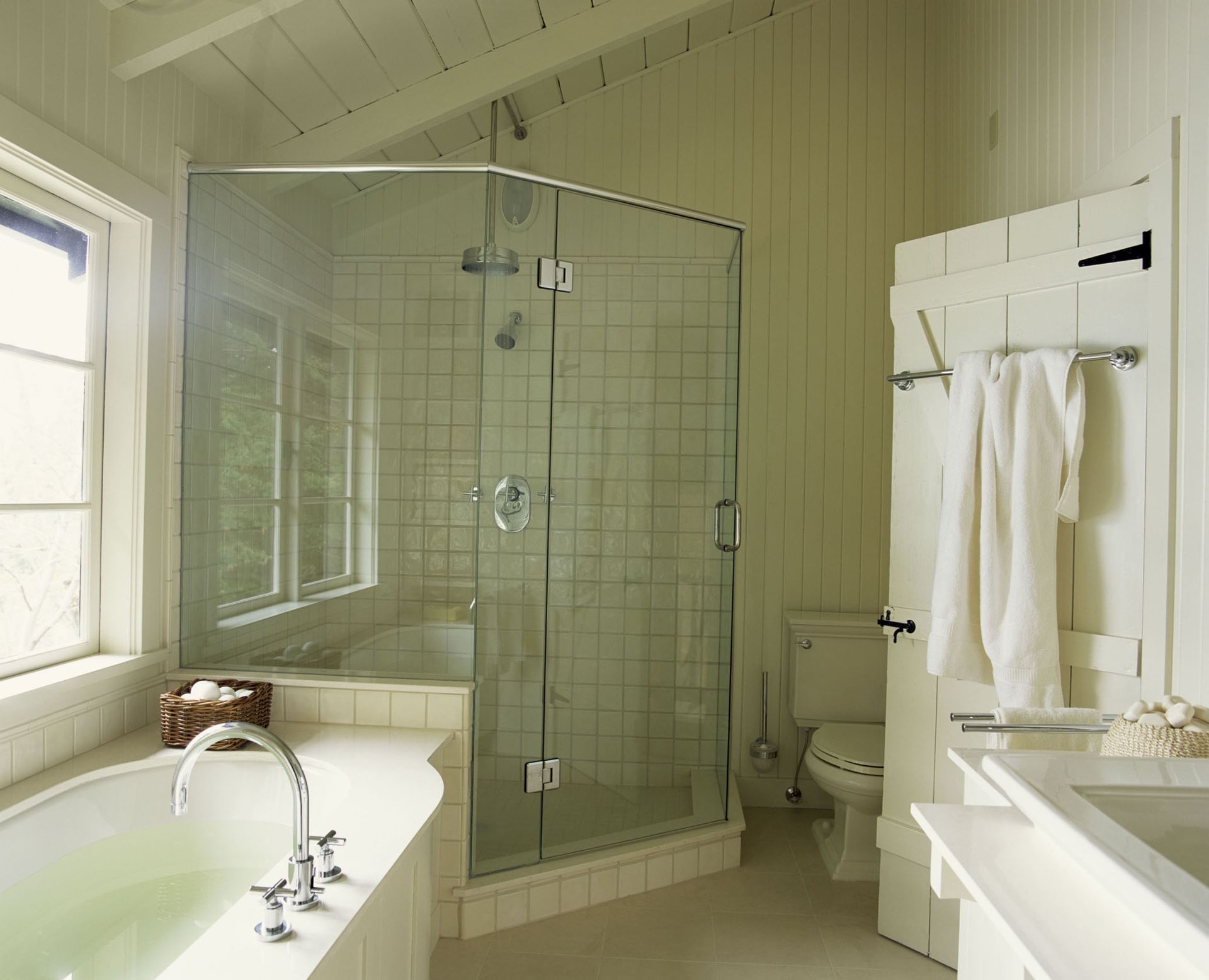
For neo-angle showers or uniquely shaped enclosures, hinged doors often provide greater flexibility in creating a precise, custom fit. Matching the door style to your shower’s design ensures smooth operation and enhances the overall layout of your bathroom.
Choosing between sliding and hinged doors is ultimately about finding the right balance of space, style, function, and long-term performance. Each option has distinct advantages, and selecting the right fit ensures your bathroom feels comfortable, accessible, and visually appealing. When you’re ready to elevate your space with high-quality custom shower doors , Chattahoochee Shower Doors can help guide you toward the best option for your layout and design goals. Contact us today to start planning a solution that enhances both the beauty and functionality of your bathroom.